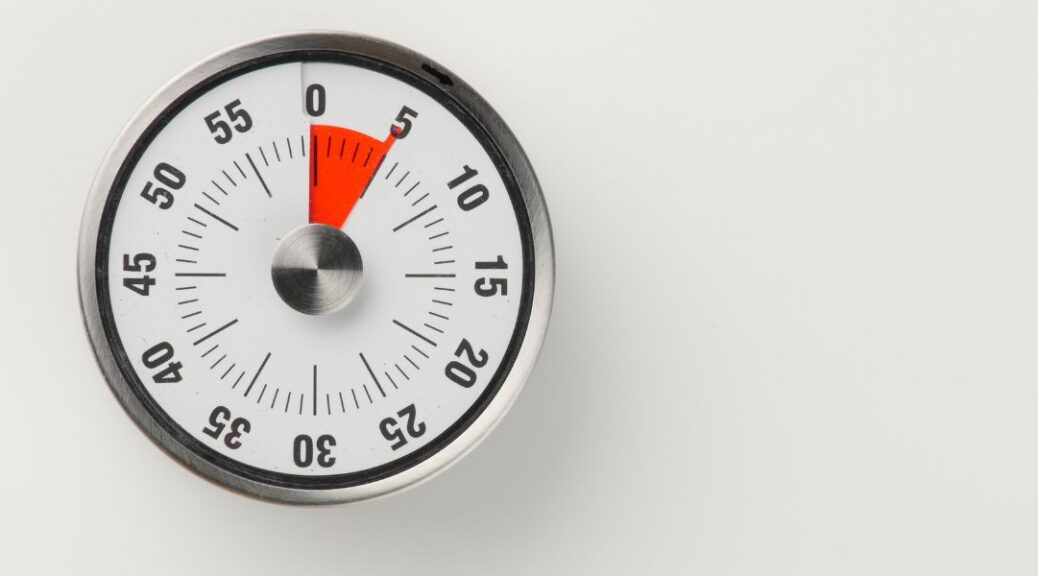
Why Countdown Timers Can Make WordPress Campaigns More Effective
Every online campaign needs a clear reason for visitors to act. A website may have a strong product, a useful service, a valuable offer, or an upcoming event, but visitors often delay their decisions. They may browse the page, feel interested, and still leave without taking action. Without a deadline, there is often no urgency to move forward.
Countdown timers help create that urgency by making time visible. Instead of telling visitors that an offer is available for a limited time, a timer shows exactly how much time remains. This simple visual element can make a campaign feel more focused, clear, and action-oriented.
For WordPress website owners, countdown timers can be used across many types of promotions. They can support e-commerce sales, webinar registrations, course launches, event reminders, booking deadlines, seasonal campaigns, product launches, and limited-time bonuses. The goal is not only to show time passing. The goal is to help visitors understand when they need to act.
A flexible countdown timer plugin can make this easier by allowing website owners to add timers to different parts of a WordPress site without complicated custom development.
Clear Deadlines Reduce Confusion
Many campaigns lose impact because the deadline is not clear enough. A phrase like “limited-time offer” can help, but it does not tell visitors exactly when the offer ends. A countdown timer removes that uncertainty. It gives users a visible deadline they can understand immediately.
This matters because people respond better to specific information. If a visitor knows there are only a few hours left in a sale, the decision feels more immediate. If a webinar registration closes in one day, the timer helps make that deadline harder to ignore.
A clear deadline also makes the campaign look more organized. Visitors do not have to search through the page to understand timing. The timer communicates that information instantly.
Countdown timers work best when they are connected to a real deadline. A real sale ending, event starting, registration closing, or launch date makes the timer useful and trustworthy.
Urgency Works Best With a Strong Offer
A countdown timer should support the offer, not replace it. If the product is unclear, the service is poorly explained, or the page does not show value, a timer will not solve the problem. The offer still needs to be strong enough for visitors to care.
For example, an online store should clearly show the discount, product benefits, and purchase button. A course page should explain who the course is for, what students will learn, and when enrollment closes. A service business should describe the offer and make the next step easy.
Once the offer is clear, the timer adds urgency. It tells visitors that the opportunity has a deadline. This can help reduce hesitation and encourage faster action.
The best campaigns combine a strong message, clear value, professional design, and a visible countdown timer. Each element supports the next.
Countdown Timers Are Useful for Many WordPress Websites
Countdown timers are common in e-commerce, but they are not limited to online stores. Any WordPress website with a time-sensitive campaign can benefit from a visible deadline.
A WooCommerce store can use timers for flash sales, product discounts, free shipping deadlines, and holiday promotions. A coach or consultant can use one for limited booking availability. A course creator can use a timer for enrollment windows. A webinar host can use one before registration closes. A nonprofit can use one for fundraising campaigns or event deadlines.
Local businesses can also use countdown timers. A gym may promote a membership offer. A salon may advertise a seasonal package. A restaurant may count down to a special booking deadline. A contractor may promote a limited consultation offer.
The timer gives each campaign a clear structure. It tells visitors that the offer is connected to a specific time limit.
Design Should Match the Page
A countdown timer should look professional and fit the website design. If it looks messy or disconnected from the rest of the page, it can reduce trust. Visitors may ignore the timer or feel that the campaign looks unpolished.
A good timer should match the website’s colors, spacing, typography, and layout. A clean service website may need a simple timer with subtle styling. A product launch page may need a bolder timer. An e-commerce promotion may need something more eye-catching but still easy to read.
The digits should be clear. The labels for days, hours, minutes, and seconds should be easy to understand. The timer should not overwhelm the headline, product image, form, or call to action.
When the timer fits the design, it feels like a natural part of the campaign rather than an extra element added without planning.
Mobile Responsiveness Is Important
Many visitors view WordPress websites on mobile devices. A countdown timer that looks good on desktop but breaks on mobile can hurt the user experience. If the digits are too small, the layout is too wide, or the labels overlap, the campaign can look unprofessional.
A mobile-friendly timer should resize cleanly. It should remain readable on smaller screens. It should not create horizontal scrolling or push the main offer too far down the page. Visitors should be able to understand the deadline quickly, even on a phone.
This is especially important for sales pages and WooCommerce stores. Mobile shoppers often make decisions quickly. If the timer supports the offer and the button is easy to tap, the campaign can perform better.
Before publishing a campaign, website owners should always preview the timer on desktop, tablet, and mobile.
Fixed Timers Work Well for Scheduled Promotions
Fixed countdown timers count down to one specific date and time. They are useful for campaigns where every visitor should see the same deadline. Examples include holiday sales, product launches, webinar start times, event registrations, and seasonal offers.
A fixed timer is easy for visitors to understand. If a sale ends on Sunday night, everyone sees the same countdown. This creates consistency across the campaign.
The page should clearly explain what happens when the timer ends. Does the discount disappear? Does registration close? Does the product become available? Does the event begin? Visitors should not have to guess.
Fixed timers are especially useful for public campaigns because they create a shared deadline. They work well when the timing is honest and connected to a real event or offer.
Evergreen Timers Support Automated Campaigns
Evergreen timers are useful when each visitor needs a personalized deadline. Instead of counting down to one shared date, the timer starts based on a visitor’s action or first visit. This works well for automated funnels, lead magnets, email offers, and personalized discounts.
For example, a visitor may download a free guide and then receive a special offer that expires after 48 hours. An evergreen timer can display that personal deadline on the offer page. This allows the campaign to run automatically while still creating urgency.
Evergreen timers are helpful for businesses that want ongoing lead generation or automated sales systems. They can create time-sensitive offers without manually launching a new campaign every week.
The deadline should still be reliable. If visitors can reset the timer easily, the urgency loses credibility. A good evergreen campaign should feel consistent and honest.
Expiry Actions Keep Campaigns Clean
A countdown timer should not reach zero without a plan. Website owners should decide what happens after the deadline passes. This is where expiry actions become useful.
Some campaigns may hide the offer after the timer ends. Others may show an expired message. A product launch page may change from “coming soon” to “available now.” A webinar page may redirect visitors to a replay or waitlist. A store may remove a discount banner after the promotion ends.
Expiry actions make the campaign feel more complete. They also prevent visitors from seeing outdated offers or expired deadlines.
A timer is only one part of the campaign. The full experience should include what visitors see before, during, and after the countdown reaches zero.
WooCommerce Stores Can Use Timers to Drive Action
WooCommerce stores can use countdown timers to highlight time-sensitive offers. A timer can support flash sales, limited discounts, product launches, bundle offers, free shipping deadlines, and seasonal promotions.
Placement matters. A timer should appear close to the offer it supports. If the timer promotes a product discount, it should be near the product details or purchase button. If it promotes a free shipping deadline, it may work well near the cart message or checkout reminder.
Timers should not be overused on every product all the time. If visitors see fake urgency everywhere, they may stop trusting the store. Countdown timers work best when they support real promotions.
A well-placed timer can make the offer clearer and help shoppers understand why acting now matters.
Shortcodes Make Timers Easier to Place
WordPress users often need flexibility. A countdown timer may need to appear on a landing page, blog post, homepage section, product page, sidebar, or promotional banner. Shortcodes make timer placement easier because they allow users to insert timers without editing complex code.
This flexibility is useful for different campaign types. A product launch timer may belong near the top of a landing page. A sale timer may work best close to a pricing table. A webinar timer may appear beside a registration form. A blog promotion may place the timer inside the article.
Shortcodes also make testing easier. Website owners can try different placements and adjust based on performance.
For users who want simple placement options, WordPress countdown timers can help create more flexible campaigns across different areas of a site.
The Timer Should Support the Call to Action
A countdown timer should always connect to a clear call to action. If visitors see a timer but do not know what to do next, the campaign is incomplete. The timer creates urgency, but the button gives visitors a path forward.
For an online store, the action may be “Buy Now” or “Add to Cart.” For a course, it may be “Enroll Today.” For a webinar, it may be “Register Now.” For a service business, it may be “Book a Consultation.”
The timer and call to action should be close enough that visitors understand the connection. The message should make it clear what ends when the timer reaches zero.
A strong campaign makes the offer, deadline, and next step easy to understand within seconds.
Testing Can Improve Results
Countdown timers can be tested like any other campaign element. Website owners can experiment with design, placement, wording, and timer type. A timer near the headline may work well for one campaign, while another campaign may perform better with the timer near the pricing section or form.
The message around the timer can also affect results. “Sale ends in” feels different from “Registration closes in” or “Bonus expires in.” The wording should match the campaign goal.
Website owners can review clicks, sales, signups, bookings, and form submissions to see whether the timer is helping. They can also check if visitors are leaving the page faster or engaging less.
Small adjustments can improve performance, especially on pages that already receive traffic.
Honest Urgency Builds Trust
Countdown timers should be used honestly. Visitors can lose trust if a timer resets every time they return or if the offer continues after the deadline. False urgency may create short-term pressure, but it can damage credibility.
A good countdown timer supports a real deadline. It helps visitors understand when an offer ends, when registration closes, when an event starts, or when a bonus expires. It should make the campaign clearer, not misleading.
Honest urgency is more sustainable. It allows businesses to encourage action while still respecting the visitor.
When a timer is connected to a real offer and a real deadline, it becomes a helpful communication tool.
Better Timing Can Lead to Better Campaigns
Countdown timers help WordPress websites make campaigns clearer, more focused, and more urgent. They can support sales, launches, registrations, events, bookings, product promotions, and automated offers. When used properly, they turn a deadline into a visible part of the user experience.
The best timers are easy to read, mobile-friendly, well-designed, and connected to honest campaigns. They support the offer and guide visitors toward the next step.
For website owners who want to add urgency without making campaigns complicated, EZ Countdown Timer provides a practical way to bring countdown functionality into WordPress marketing.
A countdown timer does not replace a strong offer, but it can help visitors act before the opportunity passes. When timing is clear, campaigns become easier to understand and more likely to convert.